
A little piece of me dies every time I see someone prescribing same percentage for high reps sets (i.e. 70% x 10reps) for upper (e.g. bench press) and lower body (e.g. back squat) lifts. This is much harder to be complet…

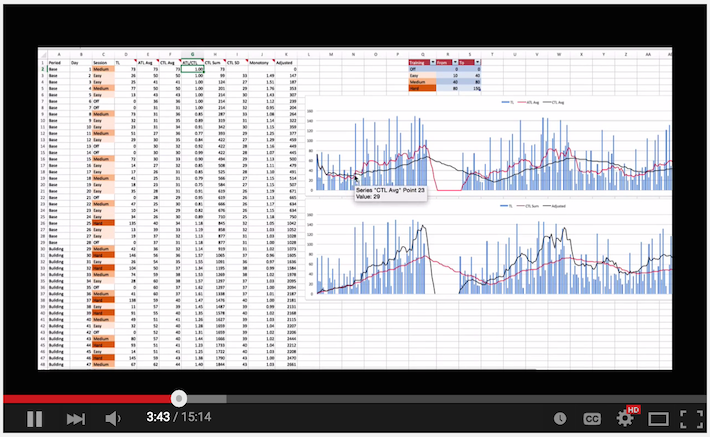
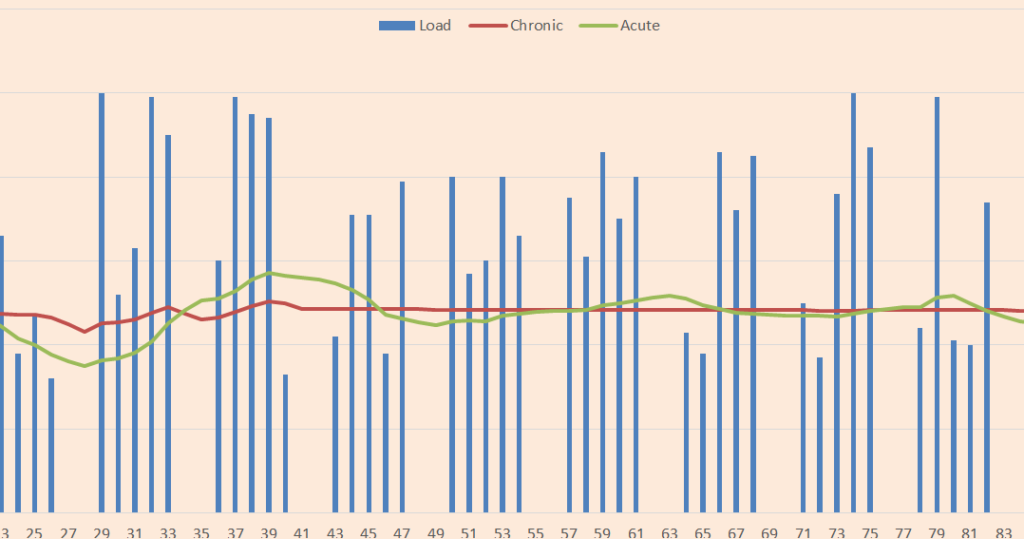
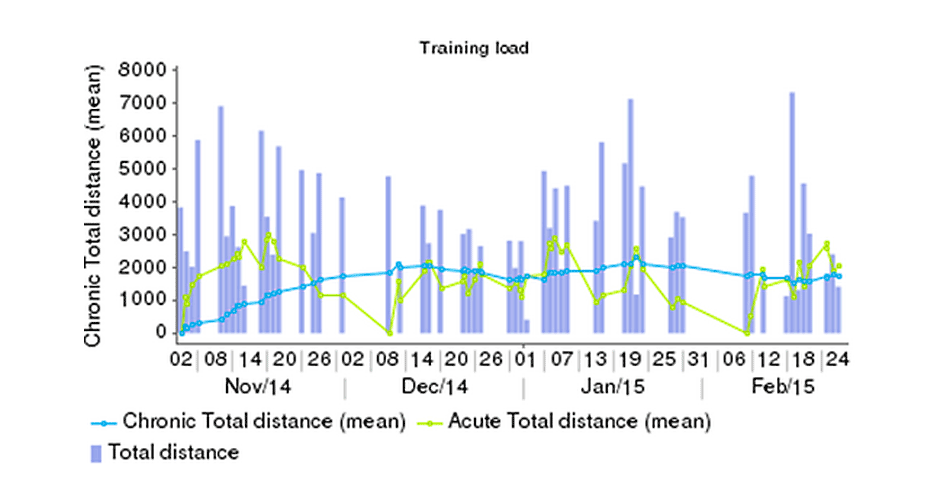
This is a follow up on the recent posts regarding Training Stress Balance (Part 1, Part 2, Part 3). In this post I discuss a way to adjust (cumulative) chronic training load using training monotony and ratio between Acut…
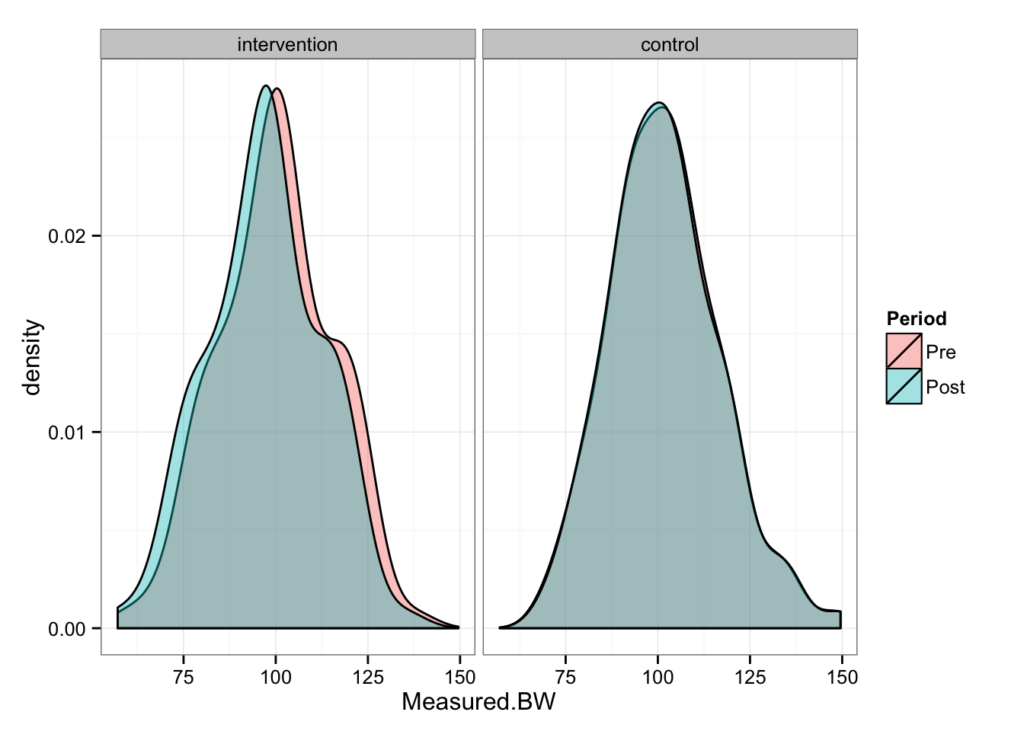
Latest obsession of the researches is individual variation in training responses. The motivation behind this approach (known and emphasized in theory of training as individualization principle) is the creation of persona…
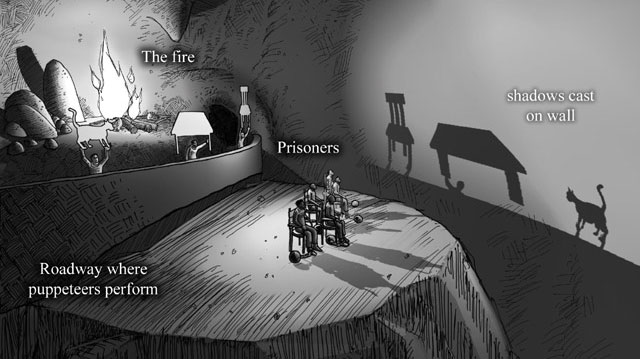
Allegory of the Cave and Performance Analysis “Plato has Socrates describe a gathering of people who have lived chained to the wall of a cave all of their lives, facing a blank wall. The people watch shadows projected …
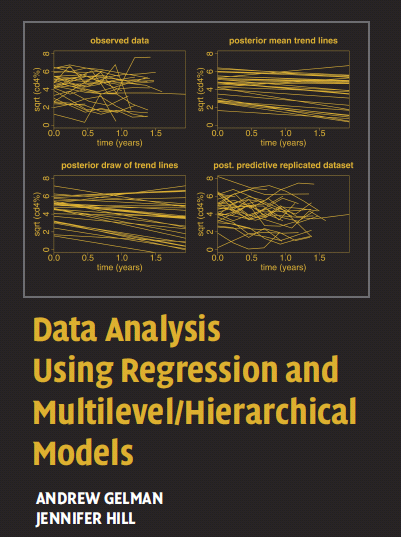
I just started reading more about mixed-models (multilevel/hierarchical) and will use this as a playbook. Mostly because I learn the best by experimenting with the data and I suggest everyone to try to do the same. So pl…
Keith Lyons shared one game of data for one AFL game across four quarters for the #UCSIA15 course. I took some time to analyze it using R and created interactive and reproducible document (HTML) using knitr and markdown.…
In the previous video I was talking about two different methods of calculating Training Stress Balance and underlying assumptions. In this short addendum I will explain even better method of calculating TSB by combining …
Training Stress Balance (TSB) is a concept I first heard of in Training and Racing with Power Meter by Allen and Coggan in 2010 and I immediately found it very interesting and tried to implementing couple of times. Learn…
We collect more and more data and it is becoming increasingly difficult to make meaning out of it. What I would like to do is to present one simple way to make the meaning out of session GPS data using LOF and Clustering…
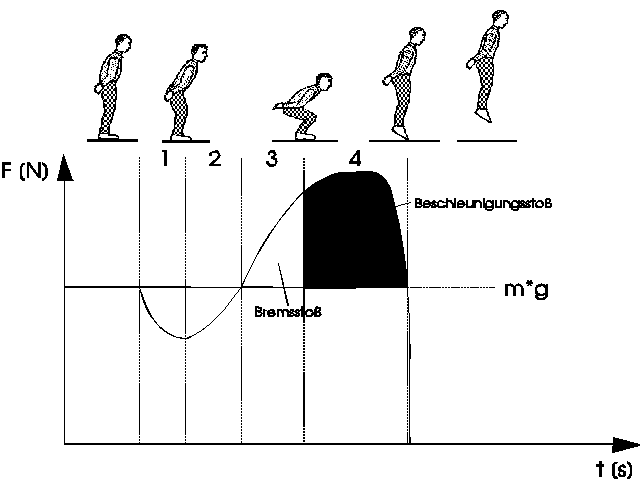
I have recently read two great papers on using alternative metrics when analyzing countermovement jump (CMJ) with the goal of evaluating both acute (neuromuscular fatigue, or NMF) and chronic training effects written by …
Please note:
This action will also remove this member from your connections and send a report to the site admin.
Please allow a few minutes for this process to complete.
Report
You have already reported this .
Share Your Work with Complementary Training
Got something valuable to share — an article, a tool, or an idea that could help others in the coaching world?
We’d love to see it, share it, and make sure your work gets the recognition it deserves.
Fill out the form below and let’s get started.
Cancel Membership
Please note that your subscription and membership will be canceled within 24h once we receive your request.