
To Sprint or Not to Sprint in Soccer: That’s the Question!

Most coaches treat sprinting as a risk to manage rather than a capacity to prepare. The logic seems sound: injuries happen at high speed, fixtures are congested, and exposing players to maximum velocity feels like playing with fire. So training stays controlled, measured, safe.
But the game doesn’t cooperate with our risk calculations.
Watch 90 minutes of professional soccer. Minute 89, defensive phase, two-against-one situation—defender sprints from deep, clears the ball, saves the match. Offensive transition, unbalanced defense, straight sprint into space, goal. These aren’t rare events. Research shows 45% of goals happen after straight sprints. Players reach 90% of their maximum sprint speed in matches, sometimes higher in worst-case scenarios. High-intensity efforts occur in possession and out of possession, from static starts and while moving, often under fatigue.
Your players are already sprinting. The question is whether they’re prepared for it.
At the Soccer Performance Conference in November, Efthymios tackled this exact problem: how to account for sprinting in a way that protects players instead of exposing them to unnecessary risk. Not by avoiding speed, but by building methodology around it.
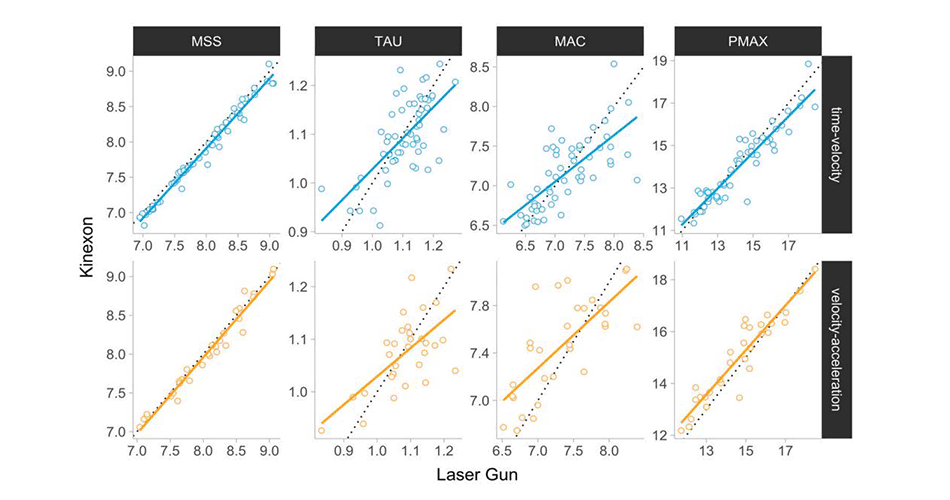
The framework starts with game demands, not GPS averages. It profiles players using Maximum Sprint Speed (MSS) as an individualized reference point—because absolute thresholds fail when one player’s “sprint zone” is another player’s jog. It explains how to measure MSS using tools already in your training routine, why match data alone isn’t reliable, and how to periodize sprint exposure across the week without overloading your squad or chasing perfect numbers.
This isn’t about maximizing volume. It’s about consistent, appropriate exposure to the speeds the game requires. Sprinting becomes a protective stimulus when dosed correctly. It becomes a risk factor when ignored or mismanaged.
The difference between preparation and risk isn’t whether you sprint. It’s whether you have a method.









Responses